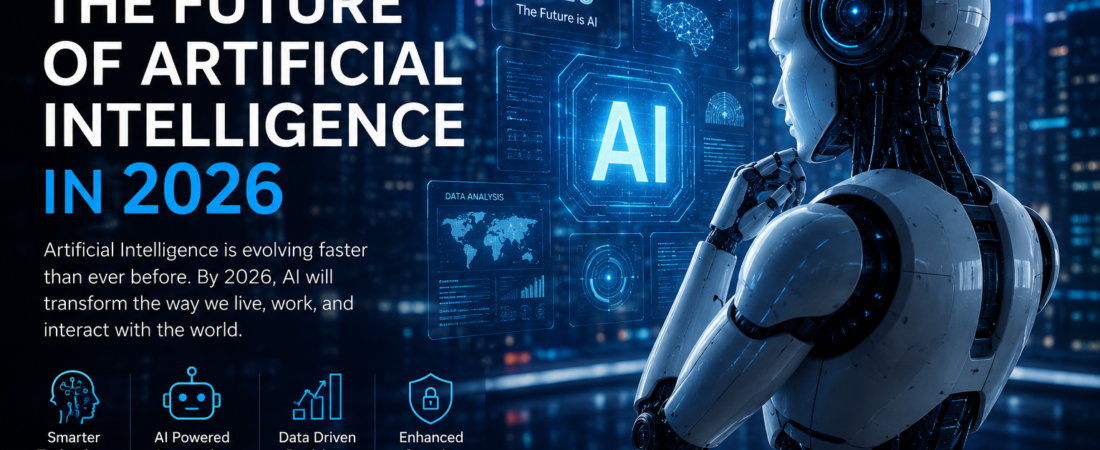
The Evolution of AI in Smartphones
The journey of artificial intelligence in smartphones began with simple automation features such as predictive text and voice recognition. Over time, smartphone manufacturers started integrating dedicated AI processors and machine learning algorithms into their devices. These innovations allowed smartphones to process information more efficiently and provide smarter user experiences at Tech Gadget.
Today, artificial intelligence powers many essential smartphone functions, including facial recognition, image enhancement, voice commands, and intelligent notifications. In 2026, AI technology is expected to become even more sophisticated, enabling smartphones to understand context, predict user needs, and automate complex tasks without manual input.
AI-Powered Smartphone Processors
One of the biggest advancements in mobile technology is the development of AI-powered processors. Modern chipsets are designed with specialized neural processing units that handle artificial intelligence tasks efficiently. These processors allow smartphones to perform complex calculations without relying heavily on cloud computing.
AI chips improve device speed, reduce power consumption, and enhance overall performance. They enable real-time image processing, voice recognition, and intelligent multitasking. As smartphone manufacturers continue investing in AI hardware, users can expect faster and more responsive mobile experiences.
Intelligent Camera Systems
Artificial intelligence has revolutionized smartphone photography. AI-powered camera systems can automatically detect scenes, adjust settings, and optimize image quality. Whether capturing landscapes, portraits, food, or night scenes, AI ensures that every photo looks professional.
In 2026, smartphone cameras will use advanced machine learning models to enhance image clarity, improve low-light photography, and remove unwanted objects from photos. AI will also help users create cinematic videos with minimal effort. These innovations will make smartphone photography more accessible to everyone.
Smarter Voice Assistants
Voice assistants have become an essential feature of modern smartphones. AI-powered assistants can answer questions, set reminders, send messages, and control smart home devices. As artificial intelligence continues to evolve, voice assistants will become more conversational and capable of understanding complex requests.
Future AI assistants will provide personalized recommendations based on user preferences and daily routines. They will act as digital companions that help users manage their schedules, complete tasks, and access information quickly and efficiently.
Enhanced Battery Optimization
Battery life remains one of the most important concerns for smartphone users. Artificial intelligence helps improve battery performance by analyzing usage patterns and optimizing power consumption. AI can identify which apps consume the most energy and automatically adjust system settings to extend battery life.
In 2026, advanced AI algorithms will make battery management even more efficient. Smartphones will predict user behavior and allocate resources intelligently, ensuring longer battery life without compromising performance.
AI and Smartphone Security
Security is a critical aspect of mobile technology. Artificial intelligence strengthens smartphone security through facial recognition, fingerprint authentication, and behavioral analysis. AI systems can detect suspicious activities and prevent unauthorized access to personal data.
Future smartphones will use AI-driven cybersecurity tools to identify threats in real time. These intelligent security systems will protect users from malware, phishing attacks, and data breaches, creating a safer mobile environment.
Real-Time Language Translation
Artificial intelligence is breaking language barriers through real-time translation technology. AI-powered smartphones can translate conversations, text messages, and documents instantly. This technology is particularly useful for travelers, businesses, and international communication.
As AI continues to improve, real-time translation will become more accurate and natural. Users will be able to communicate with people from different countries without language limitations.
Personalized User Experience
One of the most powerful applications of AI in smartphones is personalization. Artificial intelligence analyzes user preferences, habits, and behavior to create a customized experience. Smartphones can recommend apps, organize notifications, and adjust settings automatically.
This level of personalization improves convenience and efficiency. Instead of manually configuring every feature, users can rely on AI to optimize their smartphone experience according to their individual needs.
The Future of AI in Smartphones
The future of AI in smartphones is incredibly promising. Emerging technologies such as generative AI, augmented reality, and advanced machine learning will further enhance mobile capabilities. Smartphones will become more intelligent, proactive, and capable of handling complex tasks independently.
Future devices may act as personal assistants that anticipate user needs before requests are made. They will integrate seamlessly with smart homes, wearable devices, and connected ecosystems, creating a truly intelligent digital experience.
Conclusion
Artificial intelligence is transforming smartphones into powerful, intelligent devices that enhance communication, productivity, security, and entertainment. From advanced cameras and voice assistants to battery optimization and real-time translation, AI is shaping the future of mobile technology. As we move further into 2026, AI-powered smartphones will continue to evolve, offering smarter features, greater convenience, and a more personalized user experience. The future of mobile technology is closely connected to the advancement of artificial intelligence, making smartphones more capable than ever before. Visit Tech Gadget for more updates.