Introduction
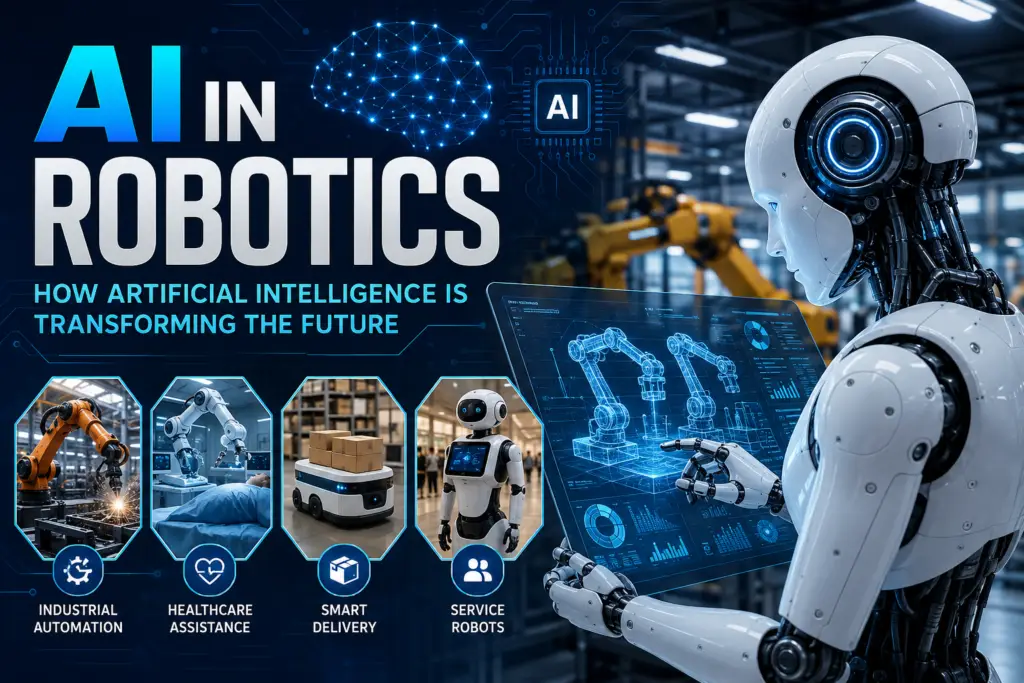
Artificial Intelligence (AI) and Robotics are two of the most innovative technologies shaping the modern world. When combined, they create intelligent machines capable of performing tasks that once required human intelligence. AI in Robotics is transforming industries, improving efficiency, and changing the way people live and work. From manufacturing plants to healthcare facilities, AI-powered robots are becoming an essential part of everyday operations at Tech Gadget.
In recent years, advancements in machine learning, computer vision, and natural language processing have made robots smarter than ever before. These intelligent systems can learn from data, adapt to new environments, and make decisions without constant human intervention. As a result, AI in Robotics is becoming one of the most important technological developments of the 21st century.
What is AI in Robotics?
AI in Robotics refers to the integration of Artificial Intelligence technologies into robotic systems. Traditional robots follow pre-programmed instructions and can only perform specific tasks. However, AI-powered robots can analyze information, recognize patterns, learn from experiences, and improve their performance over time.
Artificial Intelligence enables robots to understand their surroundings, interact with humans, and make intelligent decisions. This combination allows robots to perform complex tasks with greater accuracy and efficiency than conventional automation systems.
How AI Works in Robotics
AI-powered robots rely on several advanced technologies to function effectively.
Machine Learning
Machine Learning allows robots to learn from data and improve their performance without explicit programming. Through continuous learning, robots can recognize patterns, identify objects, and make better decisions over time.
Computer Vision
Computer Vision enables robots to see and interpret visual information. Cameras and sensors collect data, while AI algorithms analyze images to identify objects, people, and obstacles. This technology is widely used in autonomous vehicles and industrial robots.
Natural Language Processing
Natural Language Processing (NLP) helps robots understand and respond to human language. Virtual assistants and customer service robots use NLP to communicate effectively with users.
Benefits of AI in Robotics
Improved Accuracy
Robots equipped with AI can perform precise operations with minimal errors. This is particularly important in industries such as healthcare and manufacturing.
Enhanced Safety
Robots can handle dangerous tasks in hazardous environments, reducing the risk of injuries to human workers.
Cost Reduction
Although the initial investment may be high, AI-powered robots help businesses reduce labor costs and improve operational efficiency over time.
Better Decision-Making
AI enables robots to analyze large amounts of data and make intelligent decisions based on real-time information.
Applications of AI in Robotics
AI in Robotics is used in a wide range of industries and applications.
AI in Industrial Robotics
Industrial robotics is one of the most successful applications of AI. Smart factories use AI-powered robots to automate production processes and improve operational efficiency. These robots can identify defects in products, optimize manufacturing workflows, and predict equipment failures before they occur. Predictive maintenance helps businesses reduce downtime and save money. As Industry 4.0 continues to evolve, AI-powered industrial robots will play a critical role in creating fully automated smart factories.
AI in Healthcare Robotics
Healthcare is experiencing a major transformation due to AI-powered robotics. Surgical robots allow doctors to perform complex procedures with exceptional precision. AI also helps robots analyze medical images, detect diseases, and support diagnosis. Patient care robots assist elderly individuals, provide companionship, and help with daily activities. These robots improve the quality of healthcare services while reducing recovery times.
Agriculture
Agricultural robots use AI to monitor crops, detect diseases, and automate harvesting processes. These technologies help farmers increase productivity and reduce waste.
Logistics and Warehousing
Companies use warehouse robots to move products, manage inventory, and streamline supply chain operations. AI helps these robots navigate efficiently and avoid obstacles.
Customer Service
Many businesses use AI-powered service robots to assist customers, answer questions, and provide information. These robots improve customer experiences and reduce operational costs.
Security and Surveillance
AI robots can monitor locations, identify suspicious activities, and enhance security systems. Advanced computer vision technologies enable robots to recognize faces and detect threats.
Conclusion
AI in Robotics is revolutionizing the way we interact with technology and the world around us. By combining intelligence with physical capabilities, these machines are driving efficiency and innovation across all sectors. As technology advances, we can expect even more sophisticated AI-powered robots to become part of our daily lives. For more updates on the latest technology, visit Tech Gadget.