The Future of Artificial Intelligence in 2026
Introduction
Artificial Intelligence (AI) is rapidly transforming the world and becoming one of the most influential technologies of the modern era. From smartphones and healthcare to education and transportation, AI is changing how people live, work, and communicate. As we move through 2026, artificial intelligence is expected to become even more advanced, offering smarter solutions, faster automation, and improved decision-making across various industries. Businesses, governments, and individuals are increasingly relying on AI-powered tools to enhance productivity and innovation on platforms like Tech Gadget.
The future of artificial intelligence in 2026 will bring remarkable developments that will reshape everyday life. AI-powered devices will become more intelligent, healthcare systems will become more accurate, and smart technologies will continue to improve convenience and efficiency.
AI in Smartphones
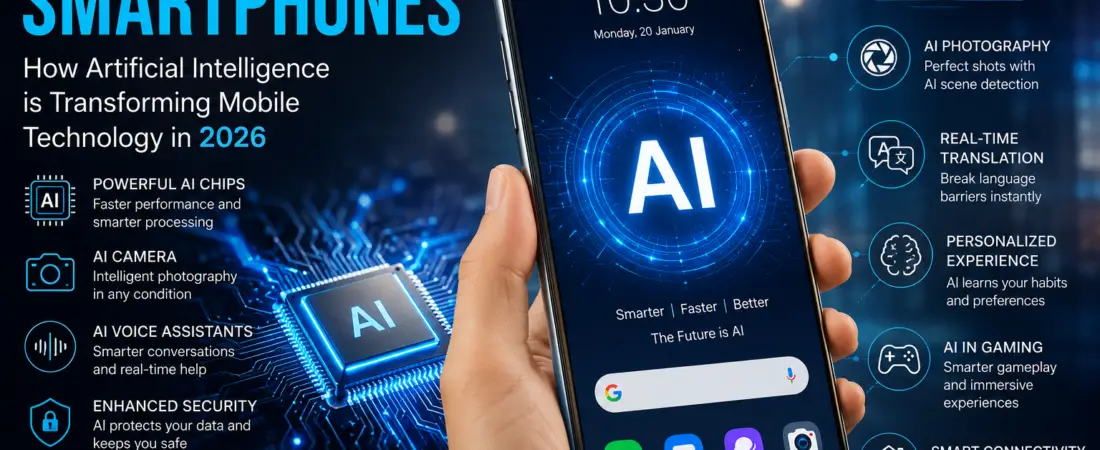
Artificial intelligence is making smartphones smarter than ever before. In 2026, mobile devices will feature advanced AI chips capable of processing data faster and more efficiently. AI will improve battery management, camera performance, voice recognition, and security features. Smartphones will learn user behavior and automatically optimize settings based on personal preferences. AI-powered assistants will provide instant recommendations, automate routine tasks, and enhance the overall mobile experience.
Personal AI Assistants
Personal AI assistants will become significantly more intelligent and human-like. Assistants such as Google Assistant, Siri, and future AI systems will be capable of understanding complex requests, maintaining natural conversations, and performing advanced tasks. These assistants will help users manage schedules, answer questions, make reservations, and even provide personalized advice. The integration of generative AI will make digital assistants more useful in everyday life.
Autonomous Vehicles
Self-driving vehicles are expected to make significant progress in 2026. AI-powered transportation systems will improve road safety by reducing human errors and responding quickly to changing traffic conditions. Autonomous cars will use advanced sensors, cameras, and machine learning algorithms to navigate roads more accurately. As regulations evolve, self-driving technology may become more common in public transportation, logistics, and personal vehicles.
AI in Healthcare
Healthcare will benefit tremendously from artificial intelligence. AI systems will assist doctors in diagnosing diseases more accurately and detecting medical conditions at earlier stages. Medical imaging, patient monitoring, and treatment planning will become more efficient through AI-powered analysis. Hospitals and clinics will use intelligent systems to improve patient care, reduce errors, and enhance healthcare outcomes.
Smart Homes
Smart homes will become more intelligent and automated through artificial intelligence. AI-powered systems will learn household routines and automatically adjust lighting, temperature, and security settings. Smart devices will communicate seamlessly with each other, creating a more comfortable and energy-efficient living environment. Homeowners will enjoy greater convenience and improved control over their connected devices.
AI in Education
Artificial intelligence will revolutionize education by providing personalized learning experiences. AI tutors will adapt lessons to individual learning styles and progress levels. Students will receive customized support, instant feedback, and interactive educational resources. Teachers will also benefit from AI tools that automate administrative tasks and help identify areas where students need additional assistance.
Real-Time Translation
Language barriers will continue to diminish as AI-powered translation technology improves. Real-time translation systems will allow people to communicate naturally across different languages during conversations, meetings, and online interactions. Businesses operating internationally will benefit from improved communication, while travelers will experience easier interactions in foreign countries.
Robotics in Kitchen
AI-powered robots will become more practical and affordable for households. Smart kitchen robots will assist with food preparation, cooking, and cleaning tasks. These robotic systems will save time and improve efficiency, making daily household activities easier for families and individuals.
AI Wearables
Wearable technology will become more advanced through artificial intelligence. Smartwatches, fitness trackers, and smart glasses will continuously monitor health metrics such as heart rate, sleep quality, and physical activity. AI will analyze this data and provide personalized health recommendations to improve overall well-being.
Climate Change AI
Artificial intelligence will contribute to environmental protection and climate research. AI models will analyze large datasets to predict weather patterns, natural disasters, and environmental changes. Governments and organizations will use these insights to improve disaster preparedness and support sustainability initiatives.
AI in Gaming
The gaming industry will experience major improvements through AI innovation. Video game characters will behave more realistically and respond intelligently to player actions. AI-generated environments and adaptive gameplay will create more immersive gaming experiences for users around the world.
Personalized Shopping
Artificial intelligence will transform online shopping by providing highly personalized recommendations. AI systems will analyze browsing habits, purchase history, and user preferences to suggest products that match individual interests. This will improve customer satisfaction and enhance the shopping experience.
AI in Space Exploration
Space agencies and research organizations will increasingly rely on artificial intelligence for exploration missions. AI-powered robots and autonomous systems will assist in collecting data, navigating challenging environments, and supporting scientific discoveries on distant planets and moons.
Energy Efficiency
Artificial intelligence will help reduce energy consumption and improve sustainability. Smart energy management systems will optimize electricity usage in homes, offices, and industrial facilities. AI-driven solutions will support renewable energy integration and contribute to a greener future.
AI Ethics
As artificial intelligence becomes more powerful, ethical considerations will become increasingly important. Governments and organizations will develop regulations to ensure responsible AI development and usage. Transparency, privacy protection, and fairness will be key priorities in the future of AI governance.
Workplace Productivity
AI will automate repetitive tasks and increase workplace efficiency. Businesses will use intelligent software to manage workflows, analyze data, and improve decision-making. Employees will have more time to focus on creativity, innovation, and strategic activities that require human expertise.
Creative Arts
Artificial intelligence is expanding creative possibilities in music, art, and design. AI-generated artwork, music compositions, and digital content will become more popular and accessible. Artists and creators will use AI as a collaborative tool to enhance creativity and explore new artistic directions.
Brain-Computer Interface
One of the most exciting developments in artificial intelligence is the advancement of brain-computer interfaces. These technologies aim to enable direct communication between the human brain and computers. Future breakthroughs could help people control devices using thoughts, opening new possibilities in healthcare, accessibility, and human-computer interaction.
Conclusion
The future of artificial intelligence in 2026 promises significant advancements across nearly every aspect of life. From smarter smartphones and healthcare innovations to autonomous vehicles and personalized education, AI will continue to drive technological progress. While challenges related to ethics, privacy, and regulation remain important, the benefits of artificial intelligence have the potential to improve productivity, enhance quality of life, and create new opportunities worldwide. As AI technology evolves, individuals and businesses that embrace innovation will be better positioned to succeed in the rapidly changing digital landscape.